World of Change Leaders Inc
World of Change Challenge: Facta, Non Verba - "Deeds, Not Words"
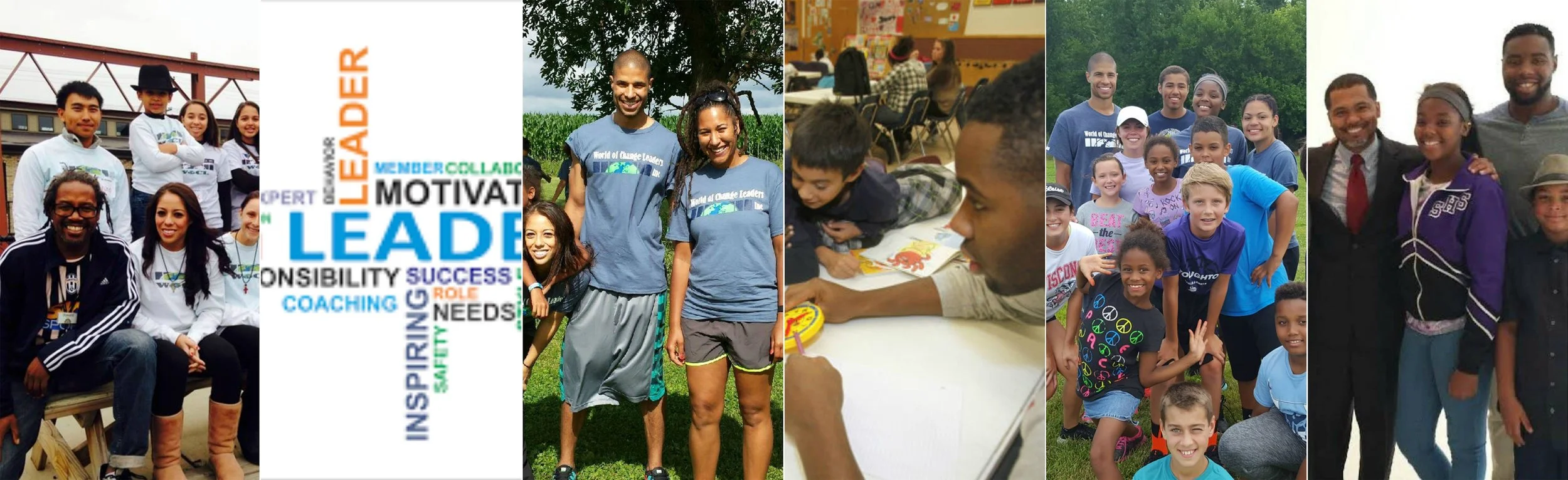
Our name sounds grandiose as though we are an organization out to change the world - instead we are a nonprofit focused on helping people find their gifts and talents and using them to make a difference in their 'world' - their sphere of influence.
In a society focused on challenges, our program highlights opportunities despite obstacles. We empower individuals to navigate life successfully by using their unique talents to impact their world — their sphere of influence.
Our Programs
● Leadership & Service Learning Class: A transformative 100-hour, one semester course that integrates lessons applicable to students - their life, their community, and their world.
● Service Club: Students engage in ongoing community service and leadership development.
● Summer Camps: Immersive experiences fostering growth, leadership, and community impact in a one room school house model of trickle down leadership.
The Class - Your Life, Your Community, Your World
A life-changing 100-hour, one semester course that integrates lessons applicable to students' life, community, and their world.
Testimonials
Testimonials
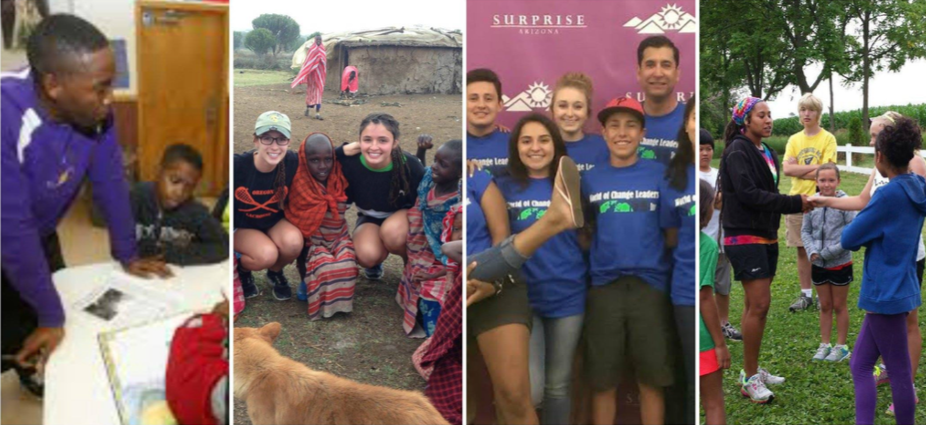
“What makes this class so unique is that there are no wasted lessons. All information can be used by students now and in their future. Students are continually reminded to apply the lesson to their life, their community, and their world - their sphere of influence. It’s an amazing class”
“As a school board member, I saw a presentation for this program. I wanted it in our district. I wanted my daughter to take the class. She took it and was a different person within the first month. The lessons are so thought-provoking. She said every day walking out of class, she was either in tears from the moving lessons, or felt like she could run through a wall. Currently, she is applying for a PhD program out west. Her first paragraph on her application was about the impact of this class on her wanting to make a difference in her ‘world’. She has done community work in Africa, San Francisco, and Madison. I know a lot of students that took this class. Every single one them was profoundly changed by what is taught in this program. And they are all doing something to make the world a better place.”
“I have been involved with the class and camp programs since 2007. The lessons learned in this class are amazing. The leadership culture this program creates alters lives - which in turn impacts communities. It is good works, good people that ripple out in every direction. These leaders change lives today - and wherever they go in the future. It’s magical.”
Research & Impact
Research & Impact
The University of Wisconsin Educational Leadership and Policy Analysis Department conducted a longitudinal qualitative study (2004-2009) on the long-term impact of this class. Students study true stories on how to find and use one’s gifts, and talents in a career of their choosing, making a positive difference in their ‘world’ - their sphere of influence. The lessons that influenced these students were from the lessons utilizing the by the following research:
Character Education
Teaching habits of thought and deed that foster respect, justice, civic virtue, citizenship, and responsibility. Character education is a learning process that enables students and adults in a school community to understand, care about and act on core ethical values such as respect, justice, civic virtue and citizenship, and responsibility for self and others. Upon such core values, we form the attitudes and actions that are the hallmark of safe, healthy and informed communities that serve as the foundation of our society.
Developmental Asset/Search Institute
The Search Institute has identified 40 positive supports and strengths that young people need to succeed. Half of the assets focus on the relationships and opportunities they need in their families, schools, and communities (external assets). The remaining assets focus on the social-emotional strengths, values, and commitments that are nurtured within young people (internal assets).
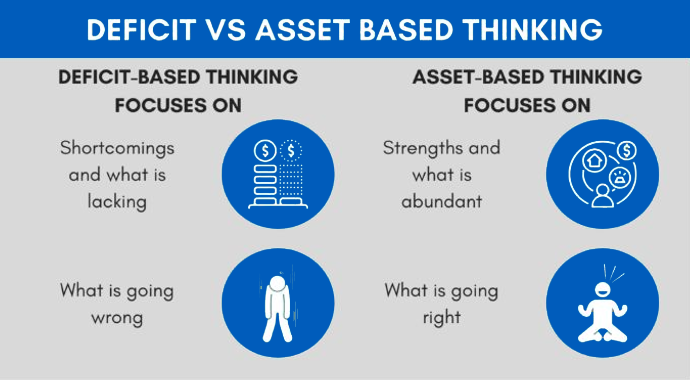
“An asset based approach fosters hope by shifting the focus from “what’s wrong with us.” It assumes that, even though there may be problems, sometimes very serious ones, there are also untapped resources and capacities inherent in every individual, organization, or community which can be put to use to improve current conditions. Discovering and affirming these underutilized assets and untapped potential are hallmarks of an asset based approach to community work.”
- University of Memphis Engaged Scholar Module 4
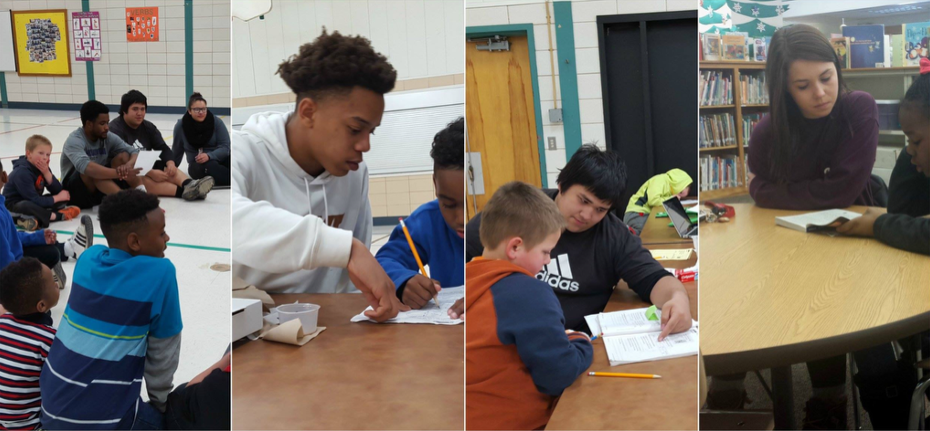
The research behind our service-learning piece - tutoring and mentoring support during the school day
Resiliency Research: Education remains one of the most important factors in resilience; its greatest side effect is the belief that one is building a roadway out of despair. Emily Werner (researcher of Kauai Resiliency Study) found, in fact, the ability to read at grade level by age ten was a startling predictor of whether or not poor children would engage in juvenile crime; at least 70% of youthful offenders were in need of remedial education by the fourth grade.
This has led some researchers to suggest that intelligence is a key factor in resilient behavior. But Werner argues that we should turn that around: if scholastic competence is important in rising above adversity, then, she says, that suggests we should put more effort into teaching children well in those early years. We don't have to fully understand resilience to concentrate on basics, such as fostering competence in school, learning to find help, learning to plan and set goals
Intercultural Maturity: In a 2008 University of Michigan study showed that Fortune 500 Companies were hiring college graduates with the ability to cross racial, socio-economic, age and gender lines with ease. This class/program teaches young people how to develop these skills when they are young - and write about using these skills/ abilities on college and job applications.
The Power of Storytelling in our 100 Hour Class
We utilize 75 hours of journeying through true stories applicable to a student’s life, their community, their ‘world’, their sphere of influence.
What is the importance of storytelling?
Telling stories is one of the most powerful means that leaders have to influence, teach, and inspire. What makes storytelling so effective for learning? For starters, storytelling forges connections among people, and between people and ideas. Stories convey the culture, history, and values that unite people.
Source: Harvard Business School, Dec 20, 2017
Our Mission Statement
Where does change begin? In small places, close to home - so close and so small that they cannot be seen on any map of the world. Yet they are the world of the individual person; the neighborhood he/she lives in, the school or college they attend, the factory, farm or office where he/she works. Such are the places where those who seek to do what is just and right begin to create bigger change. Gandhi said that to change the world, change must begin with our own lives. Then let us begin to create change in small ways and in the end we will see that change continue to grow. Unless kindness has meaning there, it will have little meaning anywhere. Without concerted citizen action to uphold them close to home, we shall look in vain for progress in the larger world.
- Mr. Te Paraphrasing Eleanor Roosevelt quote - 1948 UN Speech
Your Life
Your Community
Your World
What are you doing to make it better?